Why Kansas City's Expansive Clay Soil Makes Foundation Metal Beam Bracing a Common Repair in 2026
Kansas City homeowners in Olathe, KS, are dealing with foundation wall damage at a higher rate in 2026, and the primary cause is the expansive clay soil beneath most of the metro's residential neighborhoods. This post explains how that soil behaves, why it pushes foundation walls inward, what warning signs to watch for, and why foundation metal beam bracing has become one of the most requested repairs across the Johnson County area.
Why Kansas City Clay Soil Is So Hard on Foundations
Johnson County sits on some of the most challenging soil in the Midwest. Deep, highly expansive Sharpsburg-Grundy clay runs under Overland Park, Leawood, Olathe, and Prairie Village, swelling and shrinking several inches each season. Over the life of a home in KC, a foundation can endure 40 to 50 full shrink-swell cycles, each one compounding the damage left by the last.
Kansas City clay is dominated by montmorillonite, notorious for its expansion and contraction. The Wymore-Ladoga soil complex is classified under Hydrologic Soil Group D, which carries the lowest infiltration rate and highest runoff potential. Water does not drain through this clay. It saturates it and drives expansion.
Homes in Overland Park, Olathe, and Shawnee built on these soils experience up to 4 to 8 percent volume change between wet and dry conditions. For a basement wall, that kind of movement year after year is a serious structural problem.
How Expansive Soil Creates Pressure on Basement Walls
Heavy spring rains saturate the clay around a foundation. As the soil absorbs water, it expands and pushes against basement walls with tremendous lateral force. This lateral earth pressure can cause horizontal cracks, inward bowing, or full collapse in extreme cases.
Expansive soil damage is the most structurally significant foundation issue in eastern Kansas. The clay soils in the Kansas City metro produce lateral pressures that exceed the capacity of unreinforced concrete block walls during wet seasons. Older homes in Olathe, KS, and surrounding communities like Shawnee are especially vulnerable because many were built before current standards accounted for this level of soil movement.
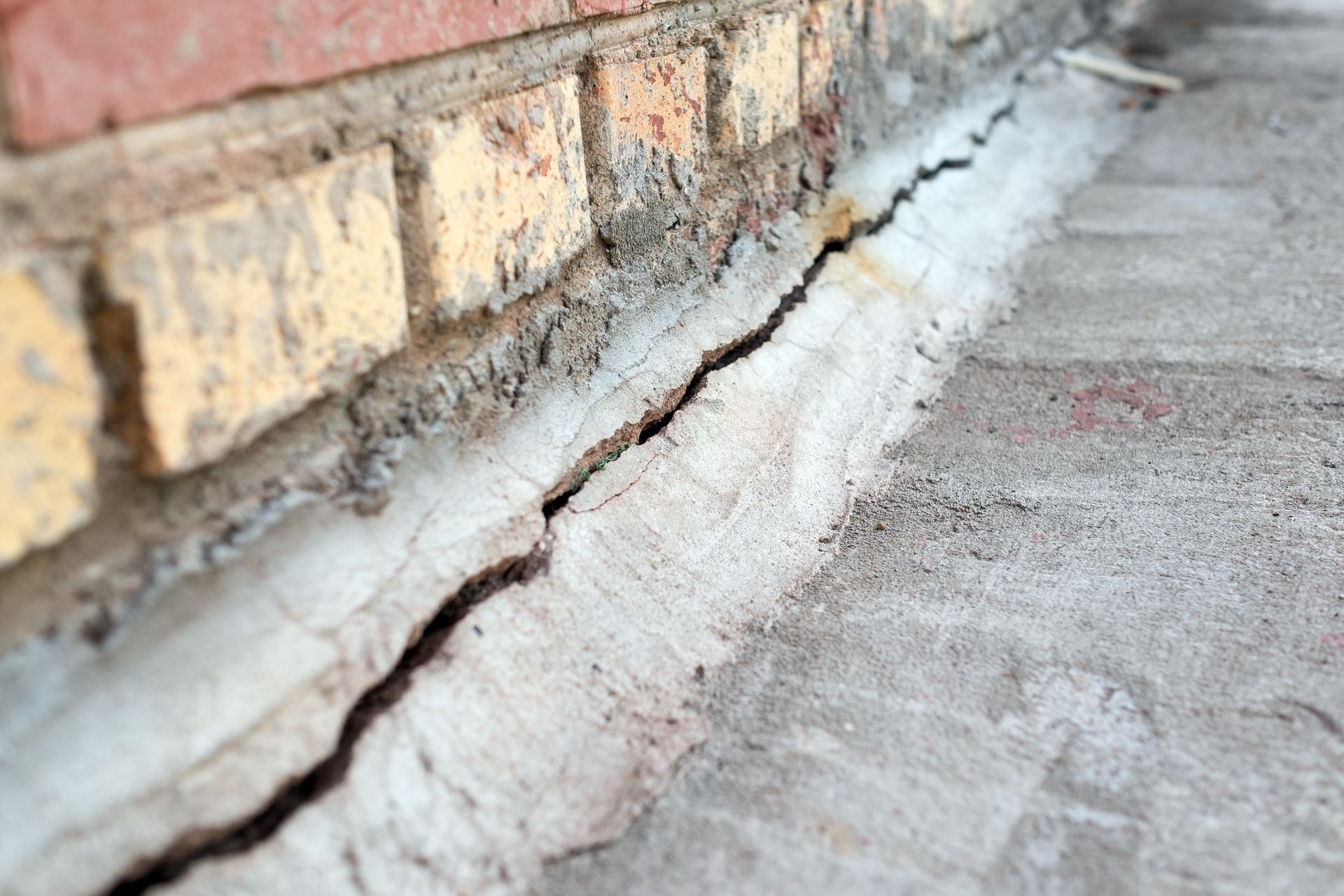
Horizontal cracking at mid-height, inward bowing, and corner separation are the characteristic failure patterns. These are not cosmetic issues. They represent progressive failure that worsens with each wet-dry cycle.
Warning Signs a Wall May Need Bracing
Catching these problems early can prevent far more costly repairs. The most common signs that a foundation wall is under stress include horizontal cracks running across the middle of a block or poured concrete wall, visible inward bowing even if it appears minor, diagonal cracks near wall corners, stair-step cracks in exterior brick or mortar, doors and windows that stick or no longer latch properly, and gaps between exterior trim and the wall.
Over time, seasonal movement leads to uneven flooring, misaligned windows and doors, and in serious cases, structural failure. Any one of these signs warrants a professional inspection, not just monitoring.
When Foundation Metal Beam Bracing Is the Right Fix
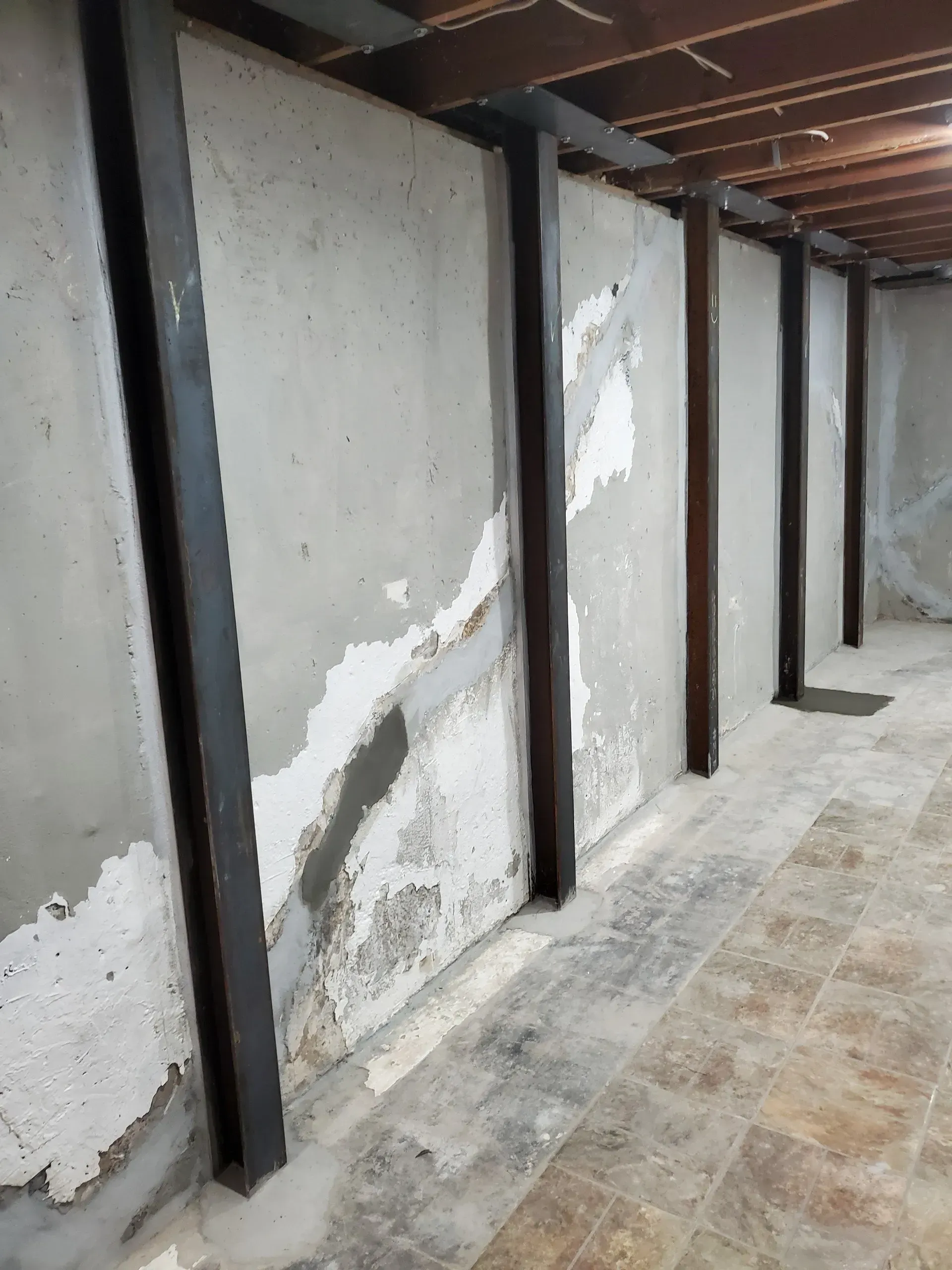
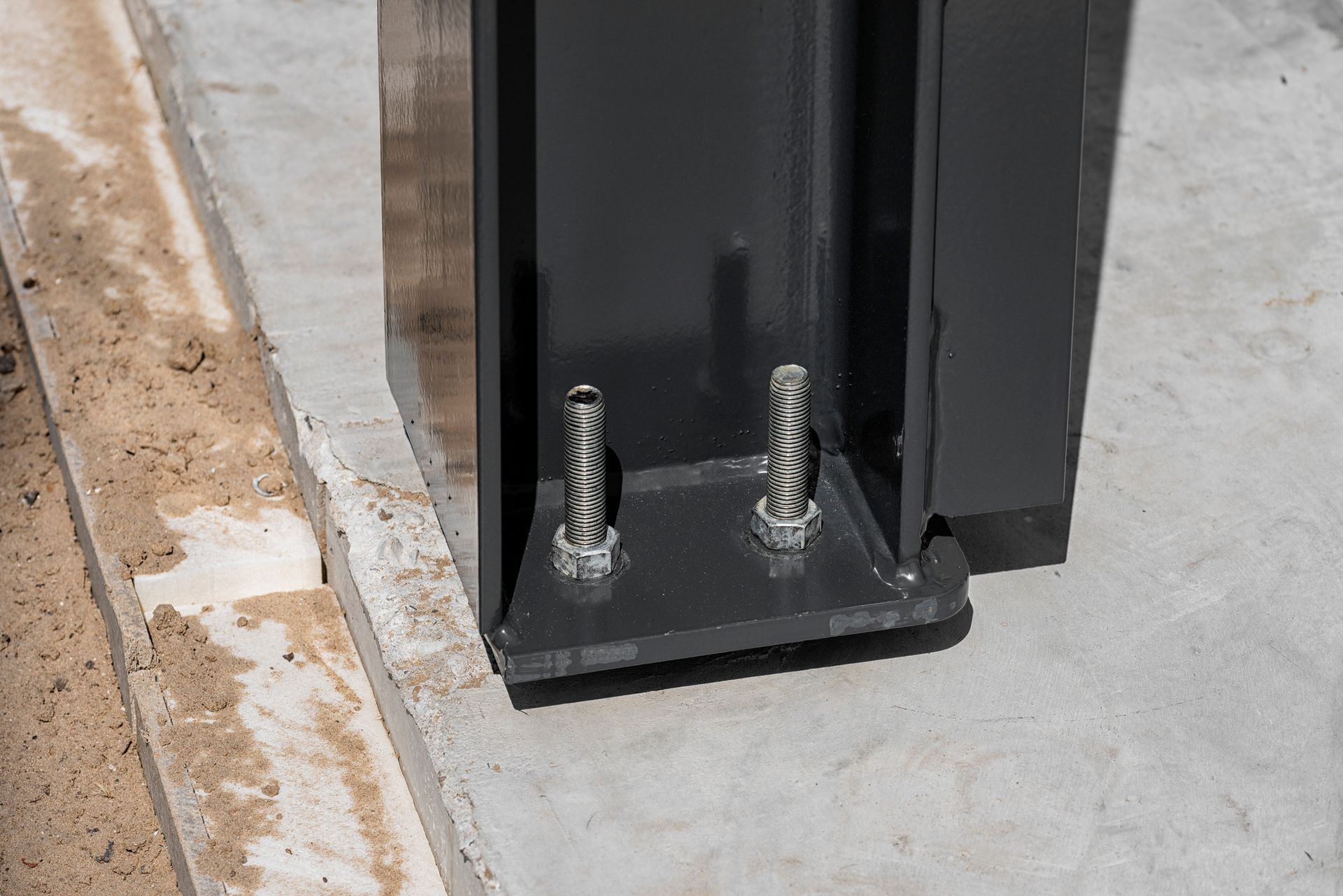
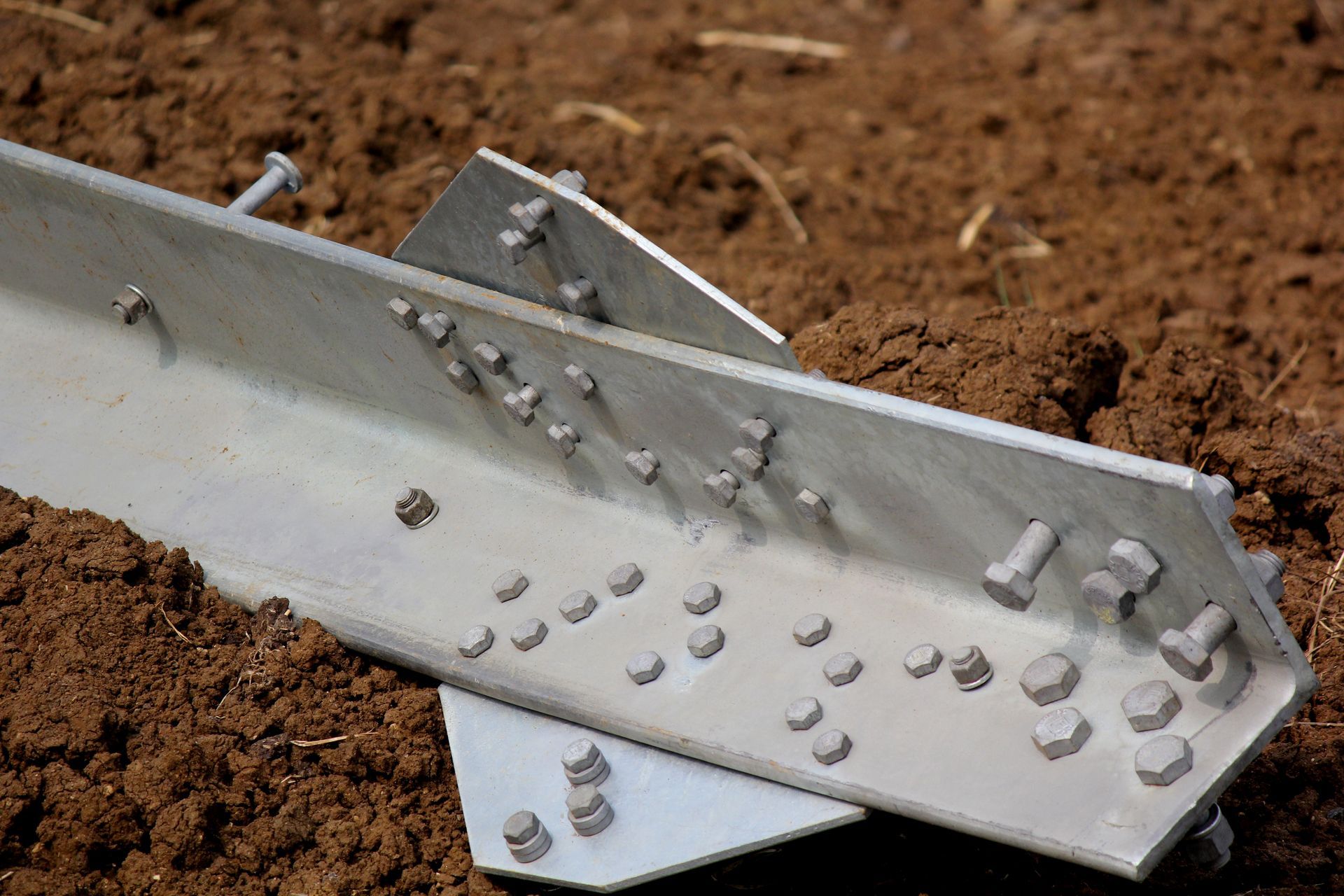
Foundation metal beam bracing is well-suited for walls that are bowing inward but have not yet reached the point of failure. The repair works by installing steel beams vertically against the affected wall, anchoring them to the floor at the bottom and to the floor joists at the top. This distributes the lateral force load and stops additional inward movement.
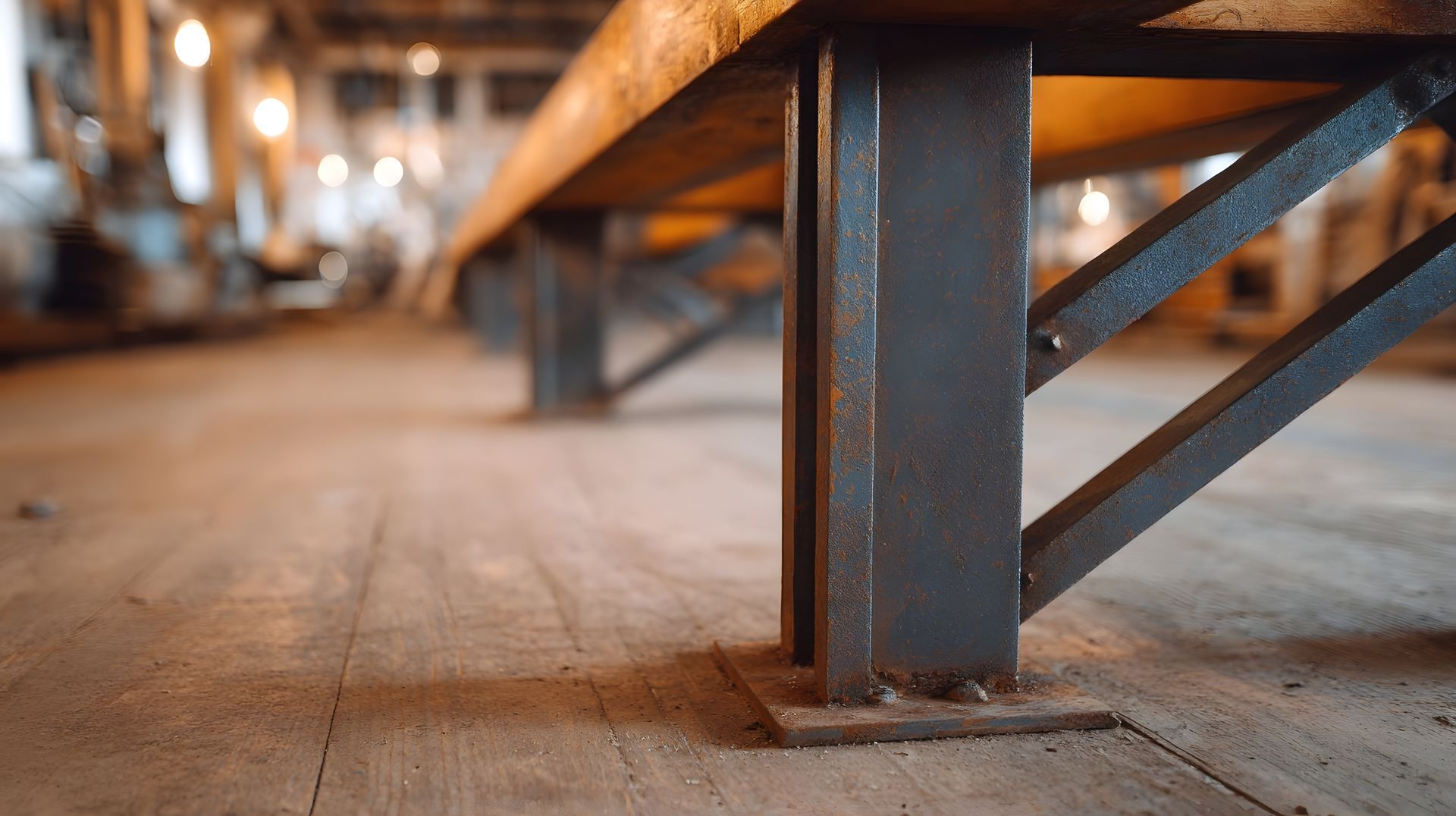
Foundation metal beam bracing serving Olathe, KS, is one of the most targeted solutions for the soil conditions present in Johnson County. The W4x13 steel restraint is anchored in concrete at floor level and secured to floor joists with 6-inch by 1/4-inch steel plates using 3/8-inch lag bolts, spreading the load across the home's structural system rather than relying on the wall alone.
Metal beam bracing is appropriate when a wall shows horizontal cracks or noticeable bowing, the wall has not yet separated from the footing, minimal excavation is preferred, and the goal is to stop further movement and stabilize the structure. If a wall has shifted beyond a certain threshold, full reconstruction may be necessary. That is why an earlier inspection preserves more repair options.
Does Beam Bracing Work for Both Block and Poured Concrete Walls?
Steel beam bracing can be applied to both concrete block and poured concrete walls, though the method may vary slightly depending on wall type and condition. A professional assessment will determine the appropriate approach.
How Long Does Foundation Metal Beam Bracing Last?
When installed correctly with proper anchoring to the floor and floor joists, steel beam systems are designed for long-term performance. Regular inspections help confirm the system continues to function as intended over time.
Get a Free Inspection Before the Problem Gets Worse
Foundation walls in Olathe, KS, and across the Kansas City metro will continue facing pressure from the clay soil beneath them. The seasonal cycle of wet springs and dry summers means that walls bowing today will likely continue to move without intervention. Beam bracing, applied at the right stage, can stop that movement and protect the structure for years to come.
Glenn Marsee & Son Foundation Repair Inc. has been serving Kansas City area homeowners since 1910 and offers free estimates. If you have noticed any of the warning signs above, schedule an inspection before the problem progresses. Learn more about Foundation Metal Beam Bracing solutions or visit the Foundation Repair services page for a full overview of available repairs. Call (913) 236-4197 to request your free, no-obligation inspection today.
Is Foundation Metal Beam Bracing a Permanent Solution? What Overland Park, KS Homeowners Should Know